Before a team spends weeks building a feature, designers can test the underlying idea in an afternoon. That is what a prototype is for. It is not a small version of the final game. It is a tool for answering questions cheaply.
What a prototype is for
A prototype might contain simple shapes, temporary graphics and basic mechanics. It does not need to look beautiful. The purpose is to answer specific questions:
- Is the mechanic understandable without explanation?
- Is it enjoyable to do repeatedly?
- Does it create interesting decisions?
- Does it become repetitive?
From idea to testable mechanic
Idea
A player-focused hunch
Question
What exactly do we need to learn?
Rough build
The smallest thing that tests it
Playtest
Watch people use it
Decide
Keep, change or drop
Start with a question, not a feature
A common mistake is to prototype a feature. A better approach is to prototype a question. “Add grappling hook” is a feature. “Is swinging across gaps more fun than jumping across them?” is a question a prototype can answer.
Keep it disposable
Prototype code and assets are meant to be thrown away. Building them carefully defeats the point, because the more you invest, the harder it is to abandon a bad idea. Use placeholder art, borrowed sounds and quick scripts.
Paper counts
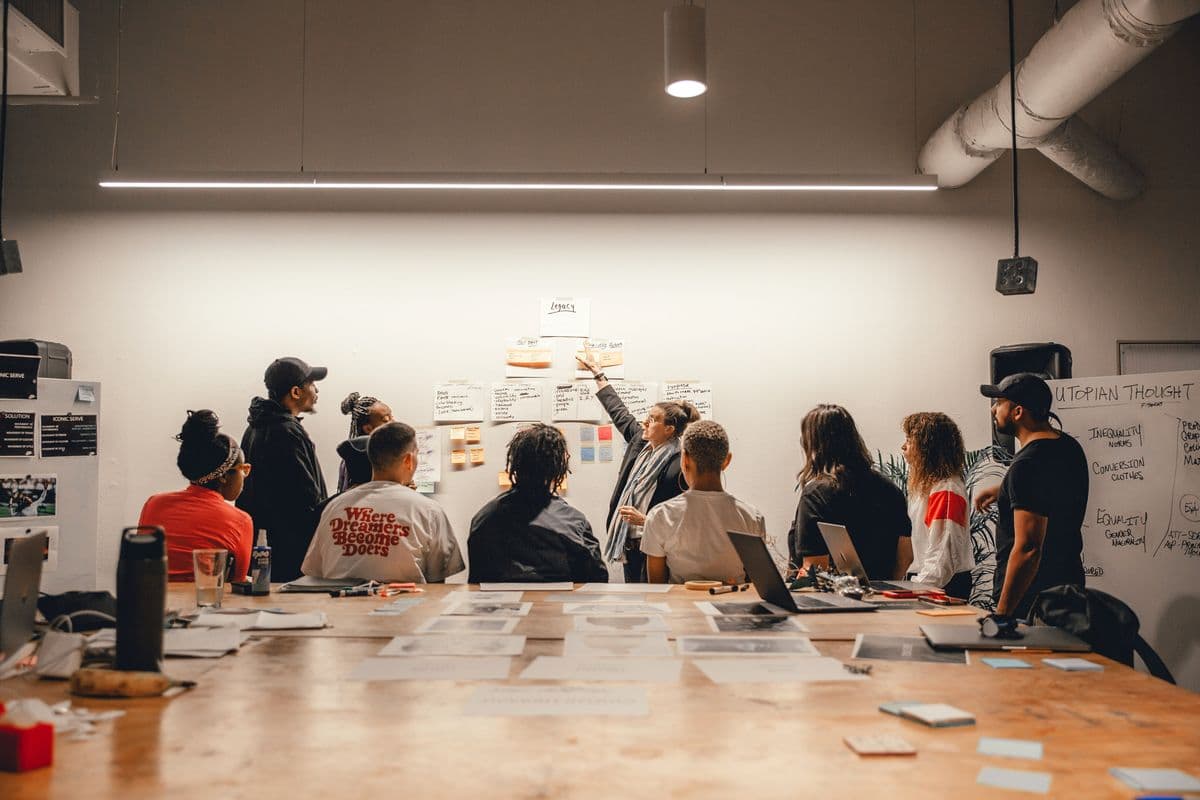
Not every prototype needs a computer. Card games, board games and paper maps can test rules, resources and pacing surprisingly well, and they let people with no programming knowledge join in immediately.
Watching people play
The most valuable part of a prototype is watching someone else use it. Stay quiet. Note where they hesitate, misunderstand or get frustrated. If you have to explain something, the game has not communicated it yet.
- Ask what they thought was happening rather than what they liked.
- Note what they tried that you did not expect.
- Look for moments of visible enjoyment and find what caused them.
Iteration is the point
The first version of an idea is rarely the final version. Rapid prototypes let teams discover problems before investing significant production time, which is one reason game development is so iterative. It also connects directly to the daily work of a game designer.
Students build exactly this prototype-and-playtest habit in our Game Development course in Nashik, across several small projects before the final capstone.