Nobody sits down and “makes a game” in one go. Games are built in stages, each one answering a different question, and most of the important decisions are made long before the final art exists. Understanding that sequence is one of the fastest ways to make sense of how the industry works.
Concept
What is the game and who is it for?
Pre-production
Prove the core idea with a prototype
Production
Build the full game across disciplines
Testing and polish
Fix, balance and refine
Release and beyond
Ship, listen and update
Concept: deciding what the game is
A concept is more than an idea. It answers a handful of practical questions: what does the player do, who is the audience, what platform is it for and what makes it different from what already exists. A short pitch document or even a single page is enough. The point is to make the idea specific enough to argue with.
Good concepts are also honest about limits. A small team with a few months cannot make a huge open world, so the concept has to fit the people and time available. That instinct, called scope, matters more than talent for finishing a first project.
Pre-production: proving the idea
Pre-production turns the concept into a plan and, importantly, a prototype. The prototype is deliberately rough: placeholder shapes, borrowed sounds, no polish. It exists to answer one question, which is whether the core mechanic is enjoyable to repeat.
The team also defines the core loop, the small cycle the player repeats, and sketches the art direction, the technical approach and a schedule. This stage is where most projects are shaped, adjusted or cancelled, which is far cheaper than discovering a problem a year into production.
Production: building the game
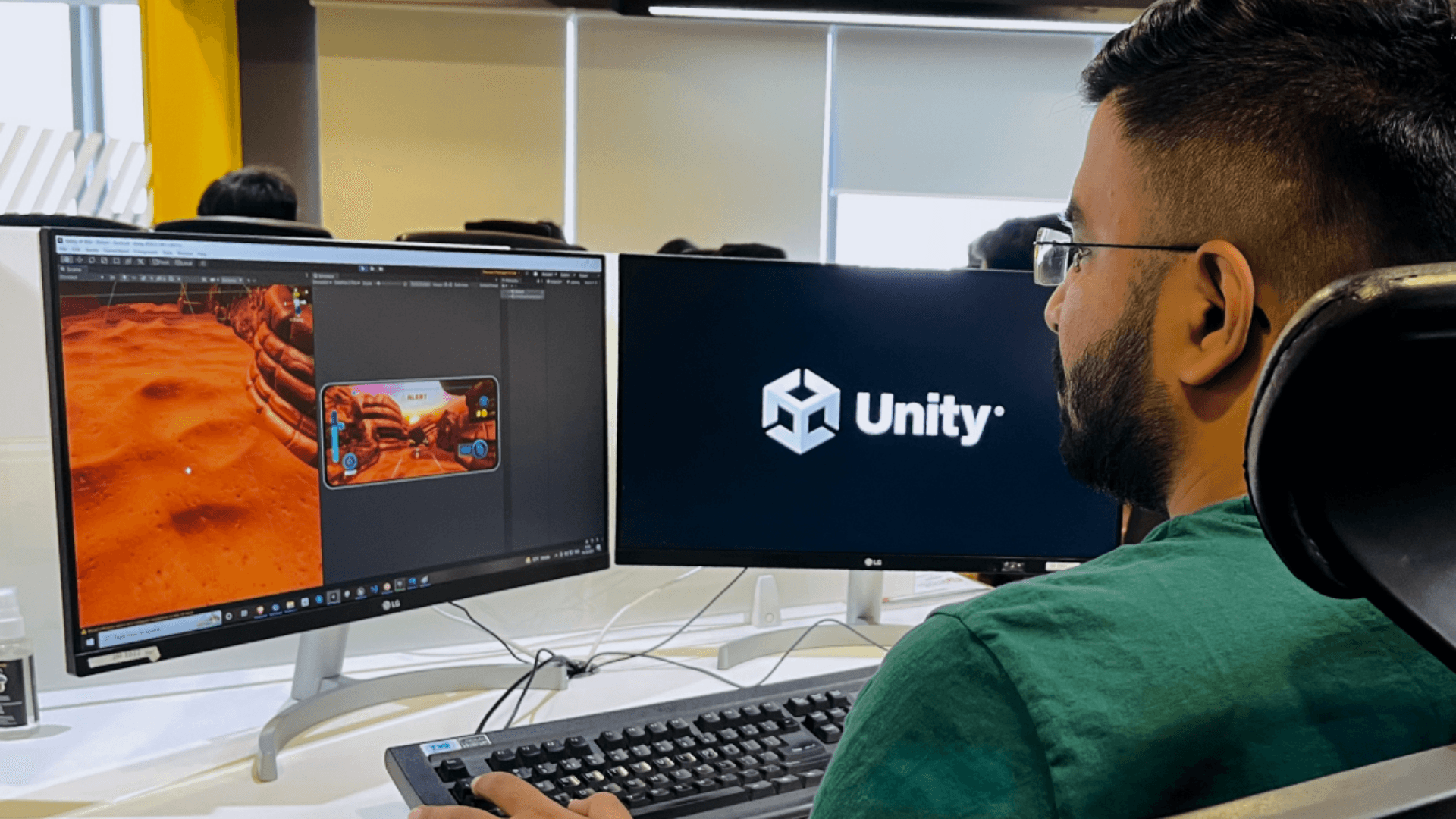
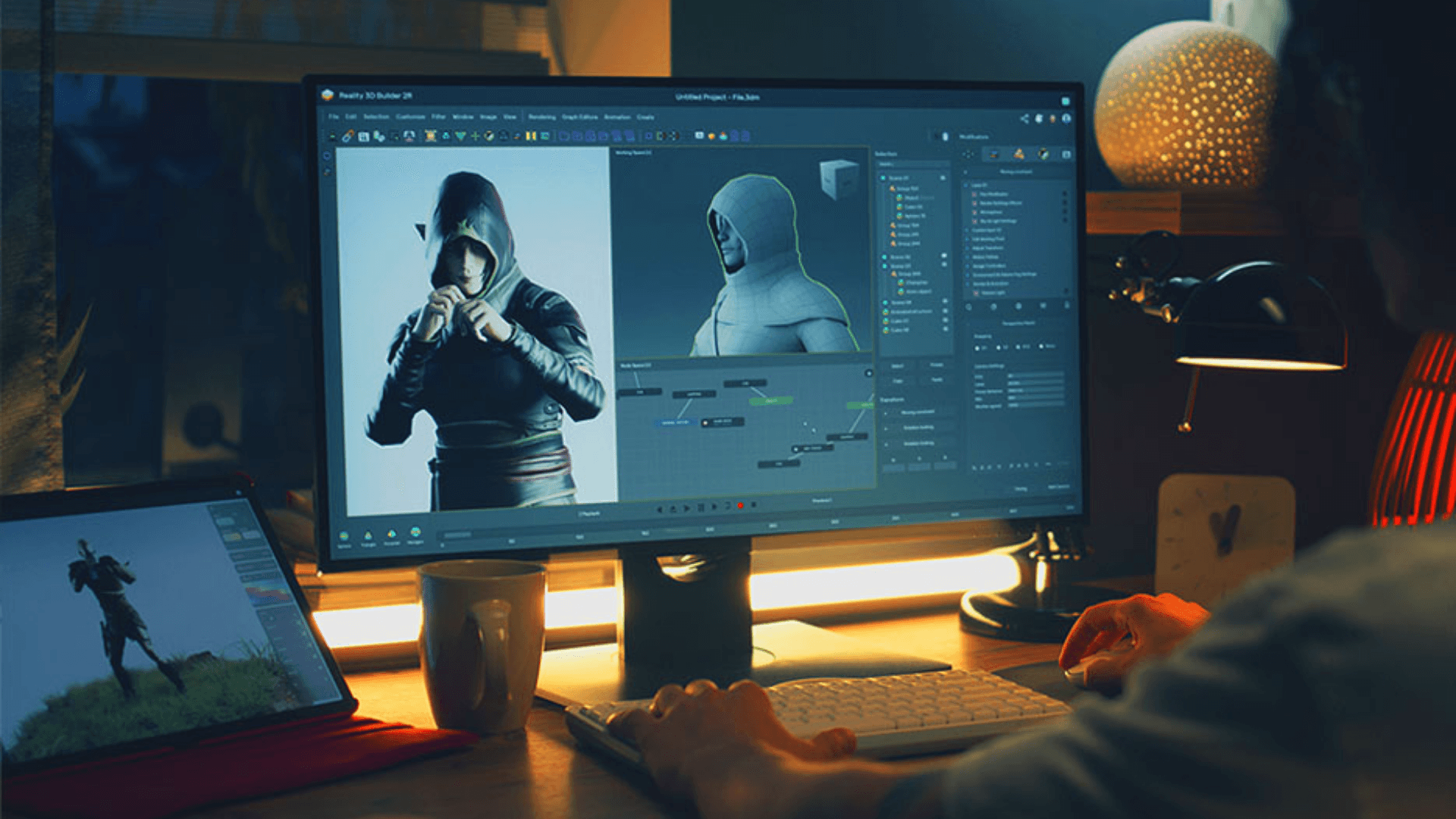
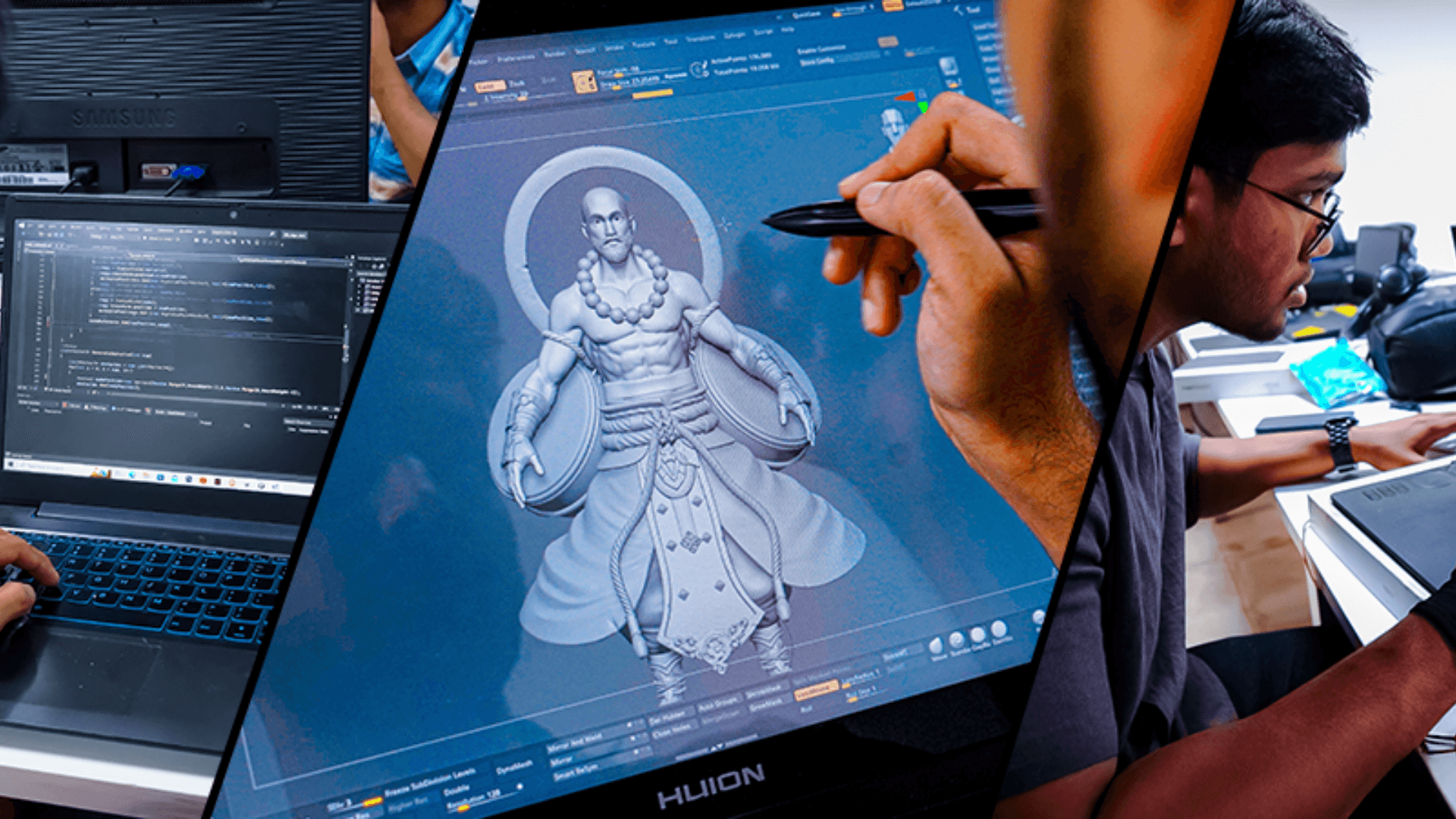
Production is the long middle. Programmers build systems, artists create characters and environments, designers construct levels and tune progression, and audio designers add music and effects. Engines such as Unity and Unreal Engine give everyone a shared foundation to work in.

The healthiest teams work in short cycles and keep the game playable throughout. Instead of waiting for everything to be finished, they produce regular builds that anyone can run. Problems appear early, and everyone stays aligned about what the game actually feels like.
Milestones
Many teams use milestones such as a first playable, a vertical slice (one small section built to final quality) and a feature-complete build. Each is a checkpoint to decide whether to continue, change direction or cut something.
Testing and polish
Testing looks for bugs, confusing moments, difficulty spikes and performance problems. It is not a single phase at the end but a habit throughout, with more formal testing as the game nears completion.
Polish is what turns a working game into a good one: animation timing, camera behaviour, sound, visual effects, menus and small touches that make interactions feel responsive. It is easy to underestimate how much time this takes.
Release is not the finish line
When a game reaches players, a new kind of learning begins. Bugs that never appeared in testing show up. Players use features in unexpected ways. Feedback arrives. Many teams continue with patches, balance changes and content updates, so the pipeline loops back on itself.
Using the pipeline as a learner
You can practise the same stages on a small scale. Choose a tiny idea, prototype it in a weekend, decide whether it is worth continuing, and only then invest in art and polish. Finishing several small projects teaches the pipeline better than abandoning one large one. For a closer look at the people involved, see why game development is a team sport.
Techno Gurukul's Game Development Professional Program in Nashik walks students through exactly this pipeline, from concept to a finished, playable capstone project.