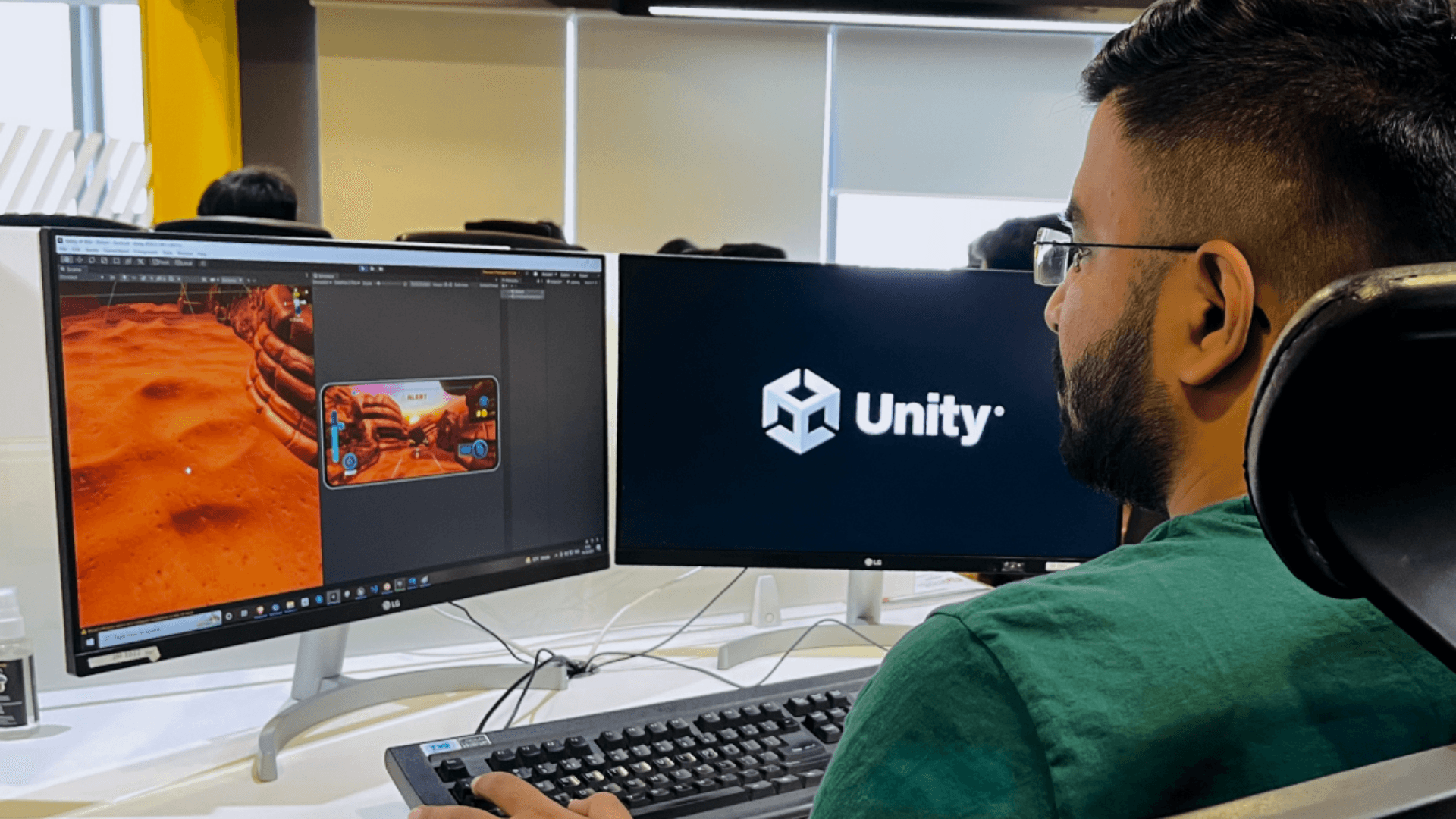
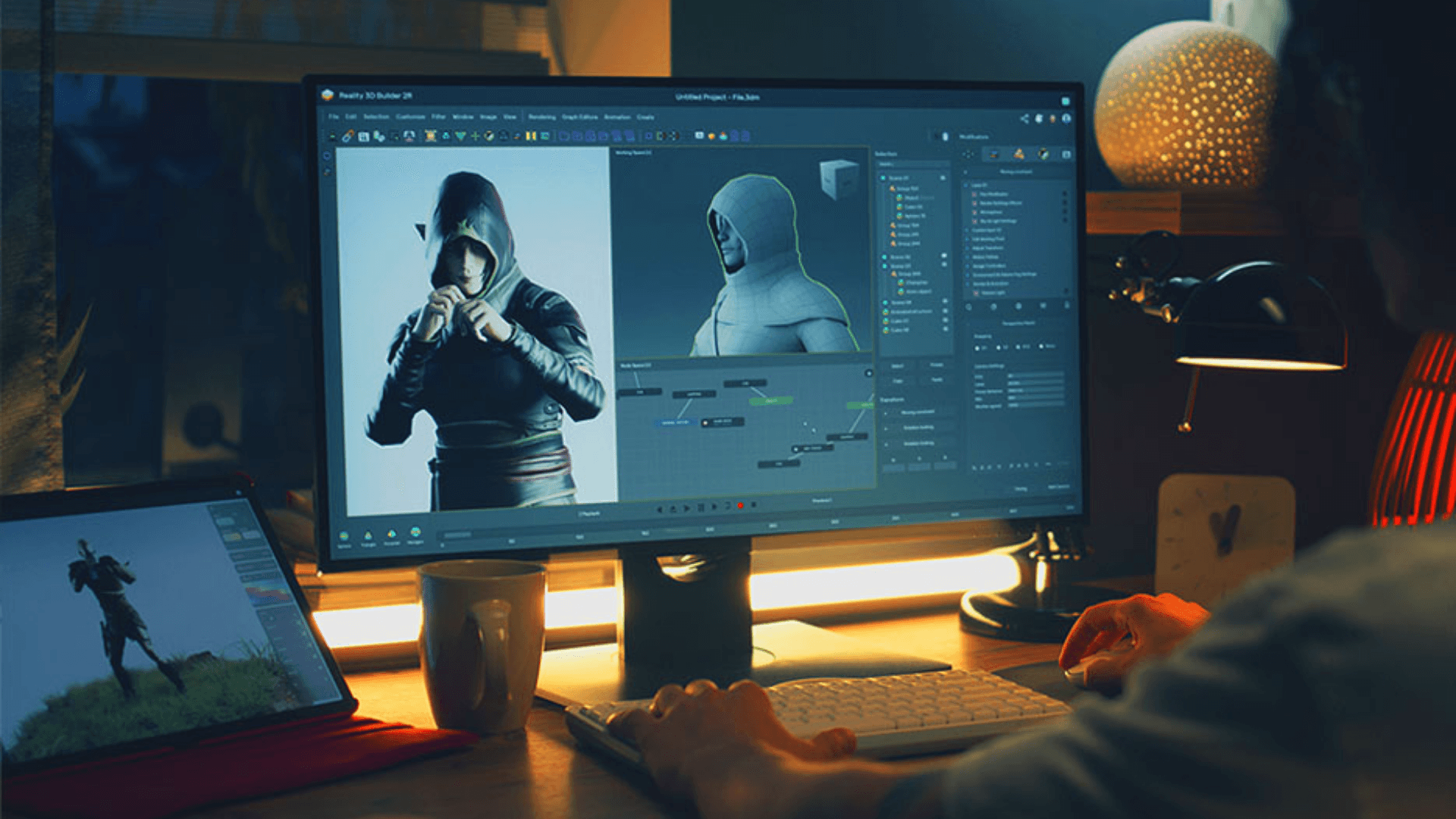
Game development is often imagined as one programmer typing code alone. In reality, a game is the meeting point of many skills, and the way those skills meet follows a repeating cycle: design, build, test, improve.
Design
Decide what the game is
Build
Create a playable version
Test
Watch what really happens
Improve
Change it and go around again
It starts with a concept
Developers define what the game is, who it is for and what makes it interesting. That is followed by game design, where mechanics, rules, levels, characters and progression are planned. At this point almost everything is on paper: sketches, flow charts and short descriptions.
Prototype the idea
Once the core idea is clear, developers create a prototype. A prototype does not need polished graphics. Its purpose is to answer one important question: is the game actually fun to play?
Prototypes are usually built quickly and thrown away without regret. The value is in what you learn, not in the code.
Turn design into an interactive experience
Programming makes the design real: the player moves, the world responds, rules are enforced. Alongside, artists and designers create environments, characters, interfaces and animations, and sound designers build the audio experience. These strands progress in parallel and constantly affect each other.
Testing never really stops
Testing happens throughout development. Developers constantly identify bugs, confusing mechanics and frustrating experiences, and then make changes. Watching a new player try the game for the first time often reveals more than weeks of internal discussion.
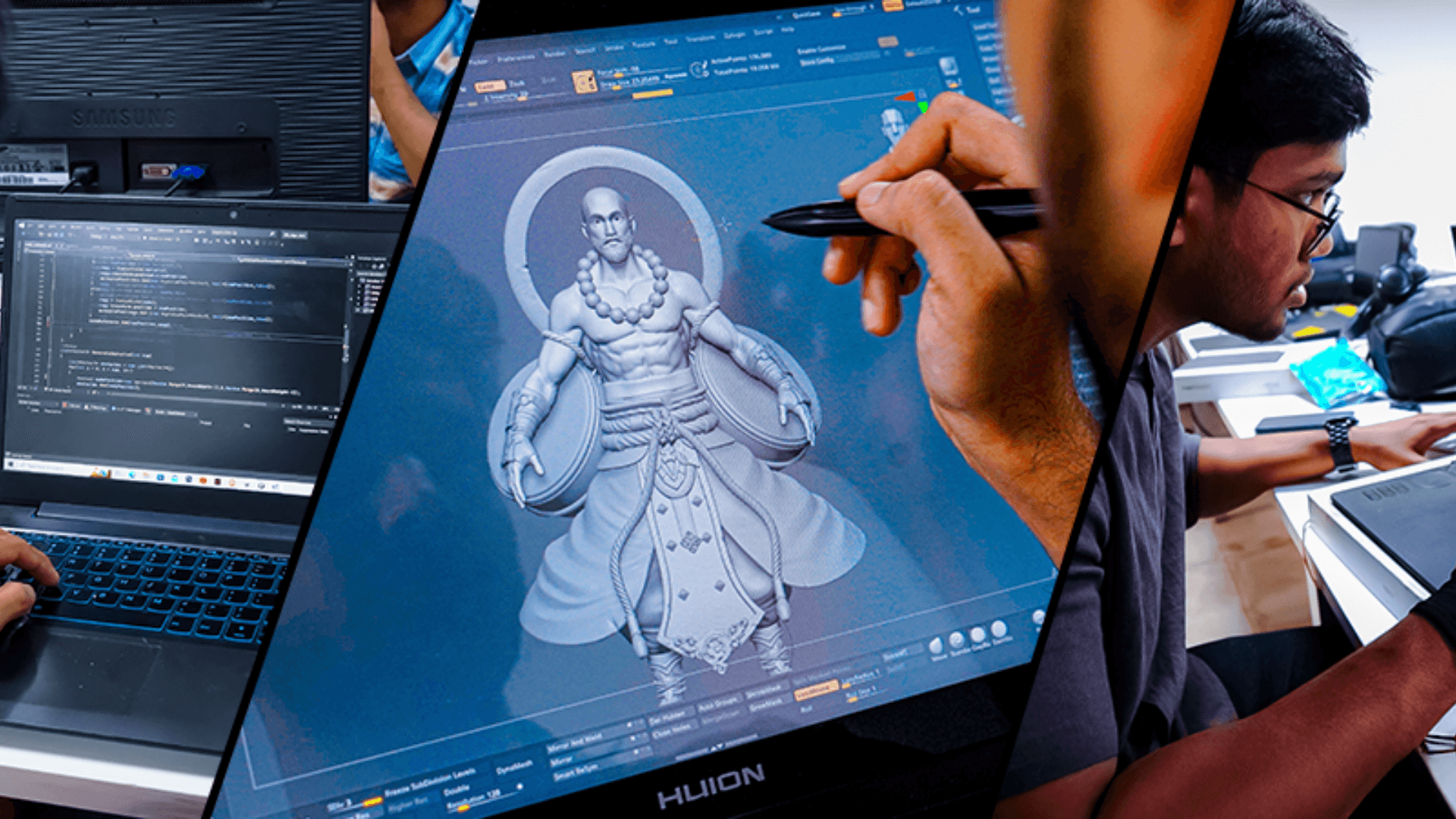
A finished game is a team effort
The final game is not the result of one person’s work. It is the result of a continuous cycle of design, build, test, improve, repeated many times by people who each bring a different specialty.
What to take from this if you are learning
For students interested in game development, understanding this pipeline is often more important than immediately learning every tool. Tools change, but the process stays remarkably consistent. Practise it on small projects: design something tiny, prototype it, test it with a friend, improve it, and repeat.
Curious about the longer version? The full pipeline explained covers each stage in more detail.
You can practise that exact design-build-test-improve cycle, with real teammates, in Techno Gurukul's Game Development course in Nashik.