If you ask what skills a game developer needs, the first answer is usually “programming.” It is part of the picture, but games are made by many kinds of specialists, and there are several ways in. This guide maps the main roles and what to build first for each.
Games need more than programmers
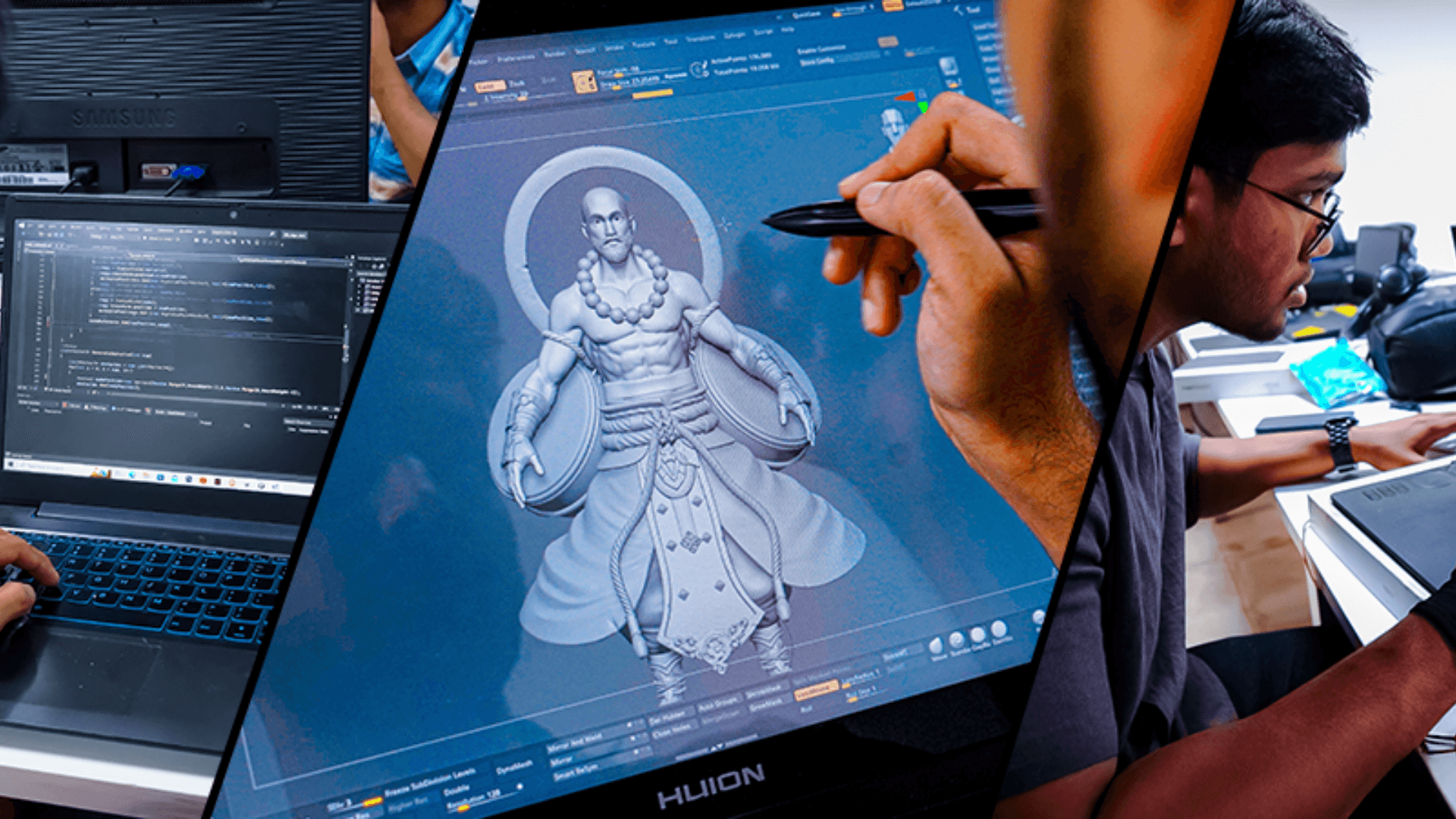
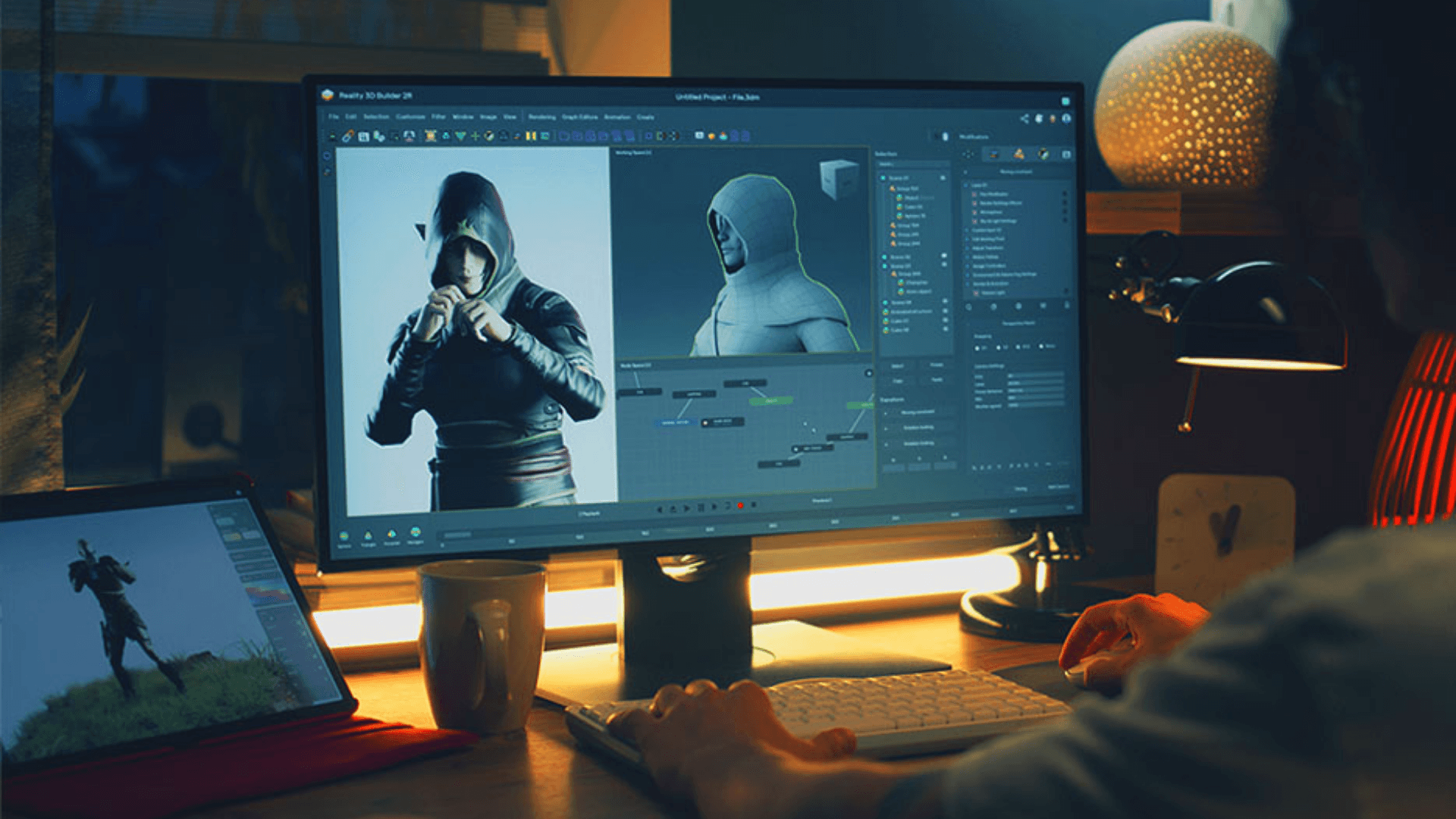
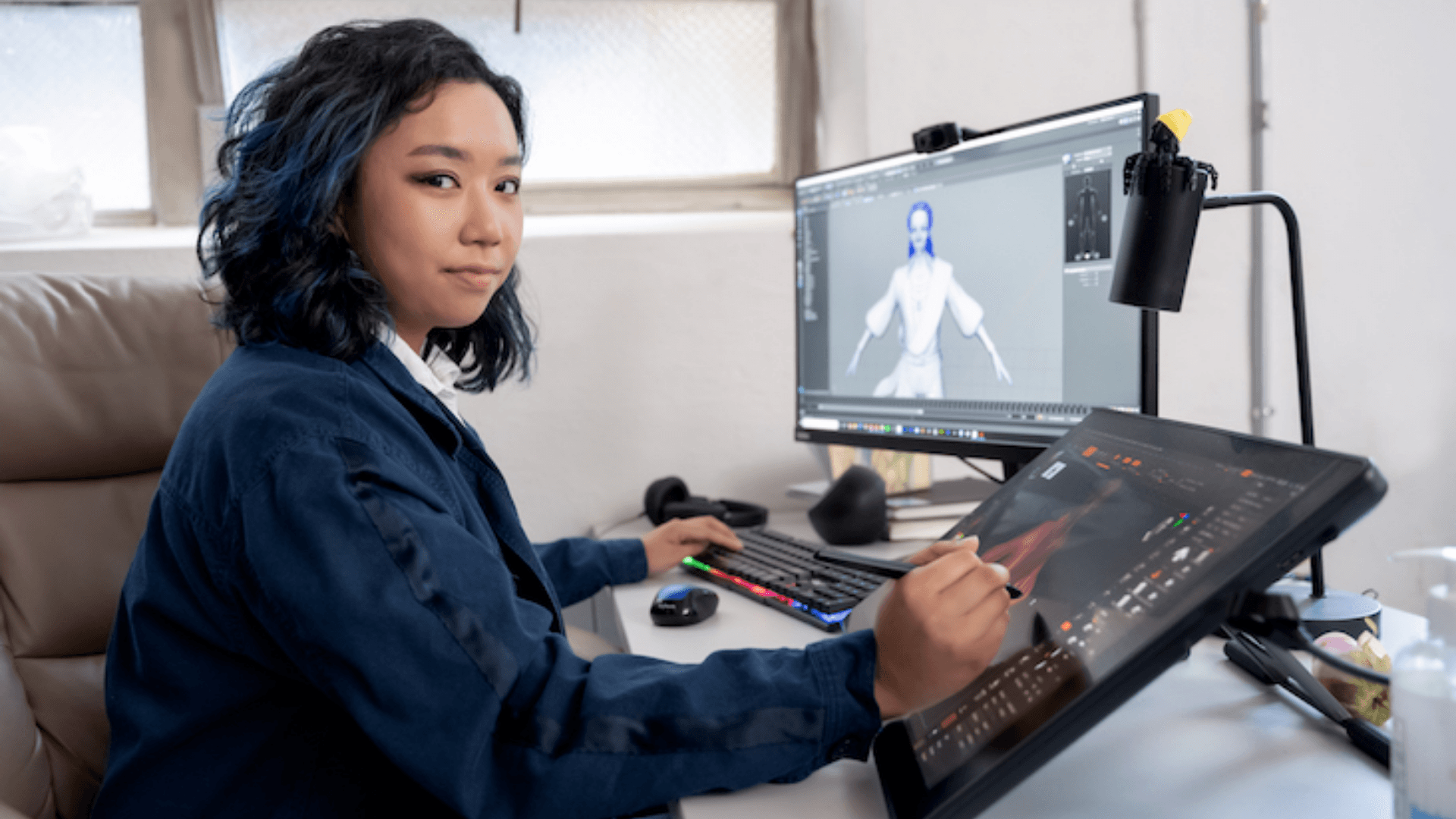
A finished game combines code, art, animation, design, audio and production. A team might include programmers, 3D and 2D artists, animators, level designers, technical artists, sound designers and producers. Small teams often share these roles between fewer people.
| Area | What you do | Good first projects |
|---|---|---|
| Programming | Build gameplay, tools and systems | A small game with movement, scoring and a win or lose state |
| Game design | Define mechanics, levels and progression | A one-page design and a playable prototype with playtest notes |
| 3D / 2D art | Create characters, props and environments | A small themed set of assets shown in an engine |
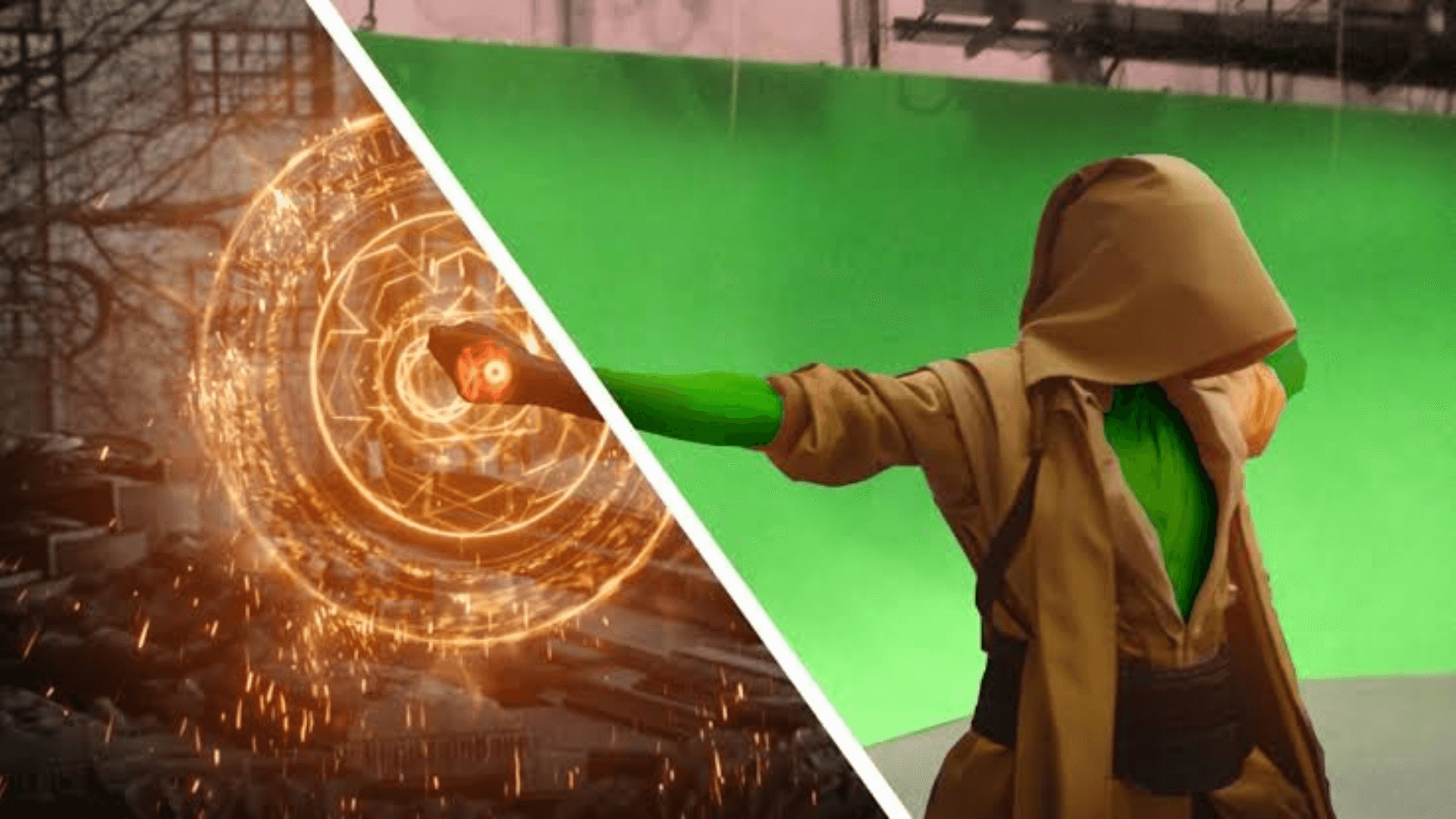
| Animation and VFX | Bring characters and effects to life | A character action set, or a short effect reel |
| Level design | Shape the spaces the game happens in | A single, well-tested level with a clear teaching moment |
Pick a lane, know the neighbours
Choose an area to go deep in, then learn enough about the others to work well with them. A programmer who understands how artists prepare assets makes better tools. An artist who understands performance limits makes assets that run smoothly. A designer who can read basic code communicates ideas precisely.
Learn an engine
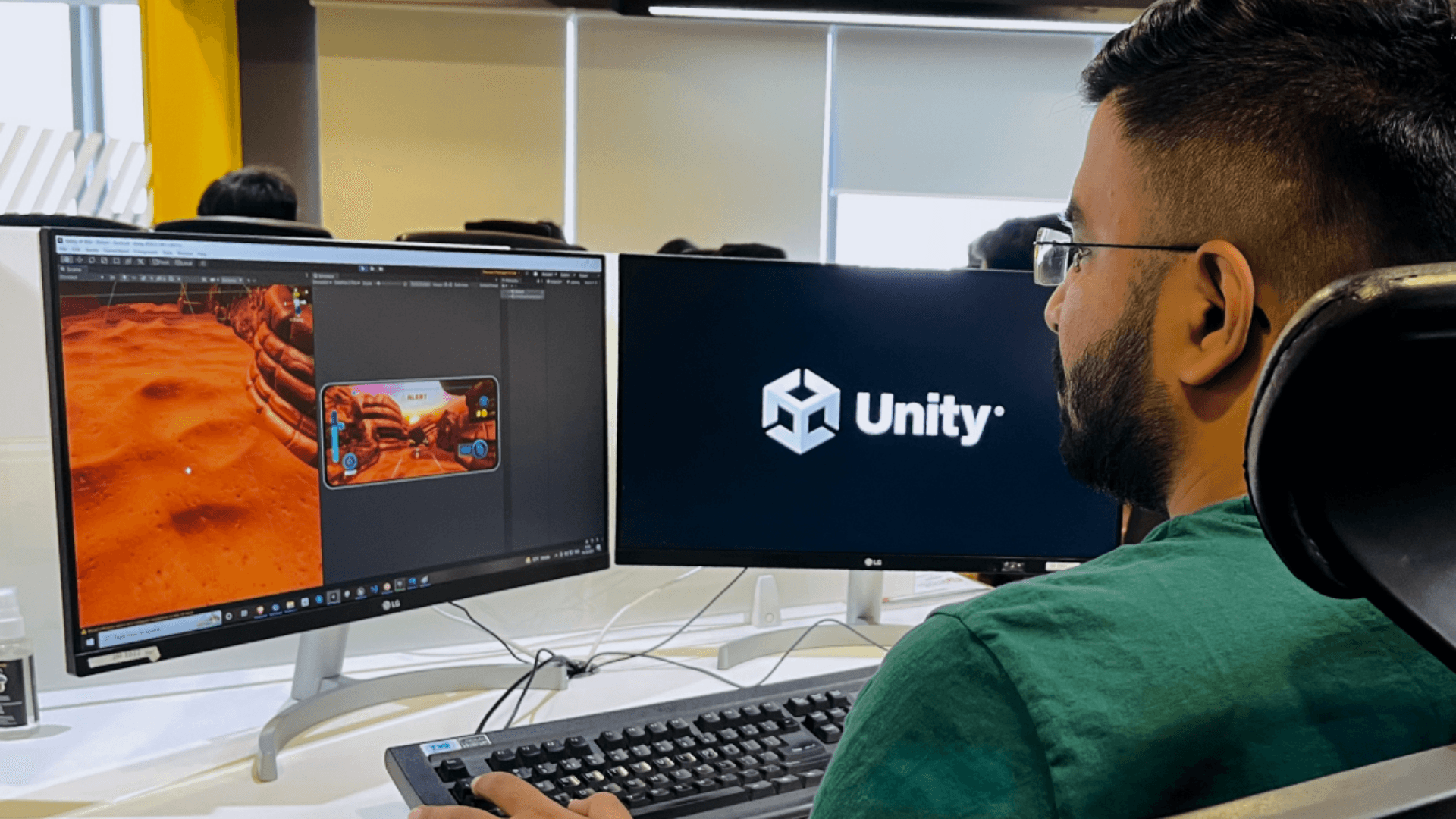
Working in Unity or Unreal Engine teaches how the pieces of a game fit together: scenes, assets, code, animation, lighting, audio and building for a platform. Building small, finished projects matters more than starting large ones you never complete.
If you are unsure which to choose, this comparison of Unity and Unreal explains the trade-offs.
The skills that sit underneath
- Problem solving: breaking a difficult problem into smaller ones and trying things systematically.
- Iteration: being willing to change or throw away work that is not good enough yet.
- Communication: explaining ideas clearly and giving and receiving feedback well.
- Curiosity about players: noticing what makes games enjoyable, frustrating or confusing.
Show your work
A portfolio of playable projects, clear write-ups and evidence of teamwork is what most studios look at first. Start building it from your very first project. Include a short explanation of what you made, what your role was, what went wrong and what you would change.
A sensible first six months
- Choose one engine and complete a beginner project end to end.
- Build a second, smaller project without following a tutorial.
- Join a game jam or team project to practise working with others.
- Write up your best work as a short case study.
- Show it to people, listen to feedback and improve it.
None of this requires waiting for a job or a course to begin. It requires a computer, a project idea and regular practice.
If you'd rather build these skills with structure and guidance, our Game Development course in Nashik covers programming, art, design and production together, ending in a capstone project.