A game may look like one finished product, but behind it is a network of specialists who each hold a piece. The best games are rarely the work of the most talented individual. They come from teams that communicate well.
Who is on the team
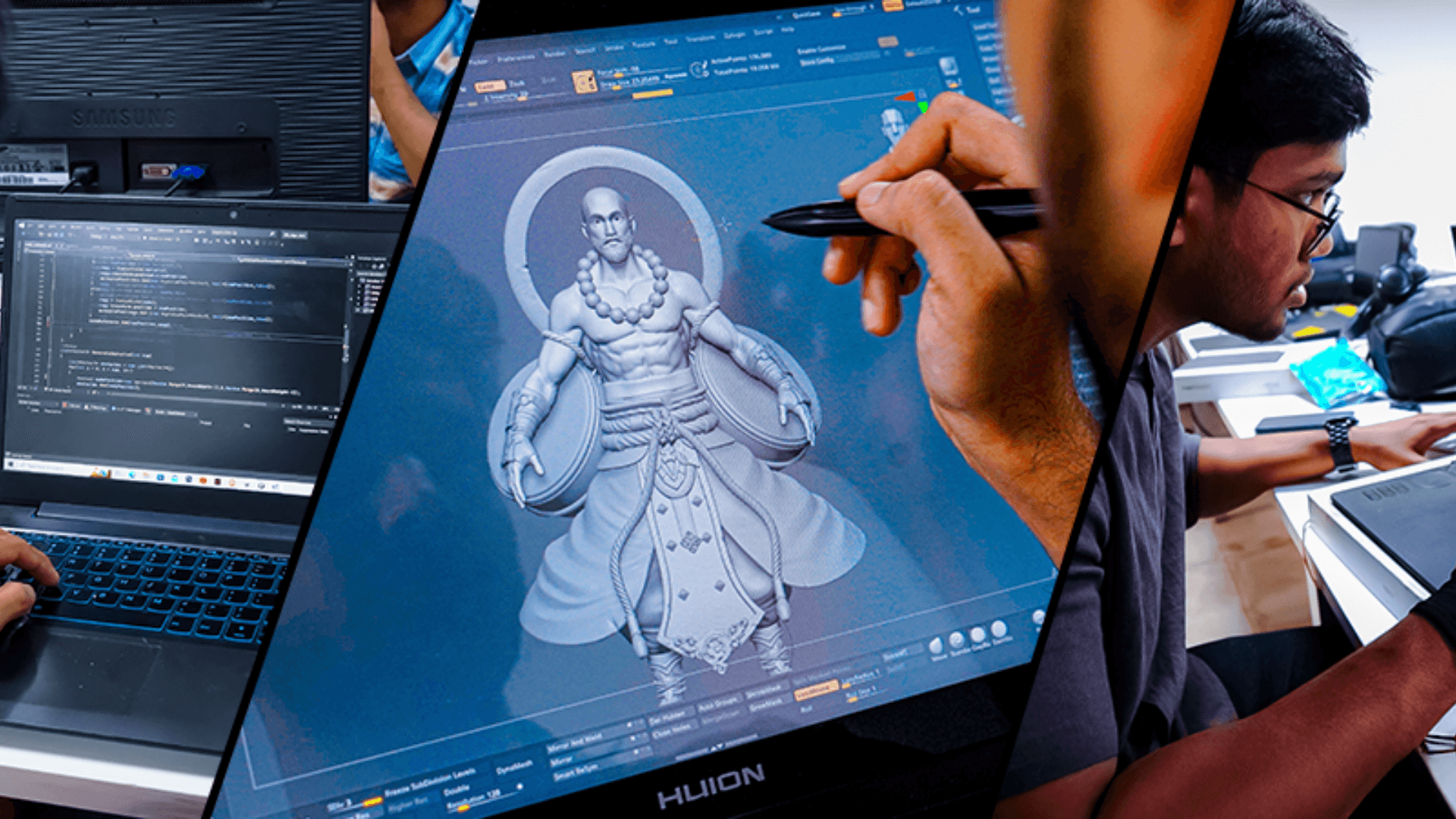
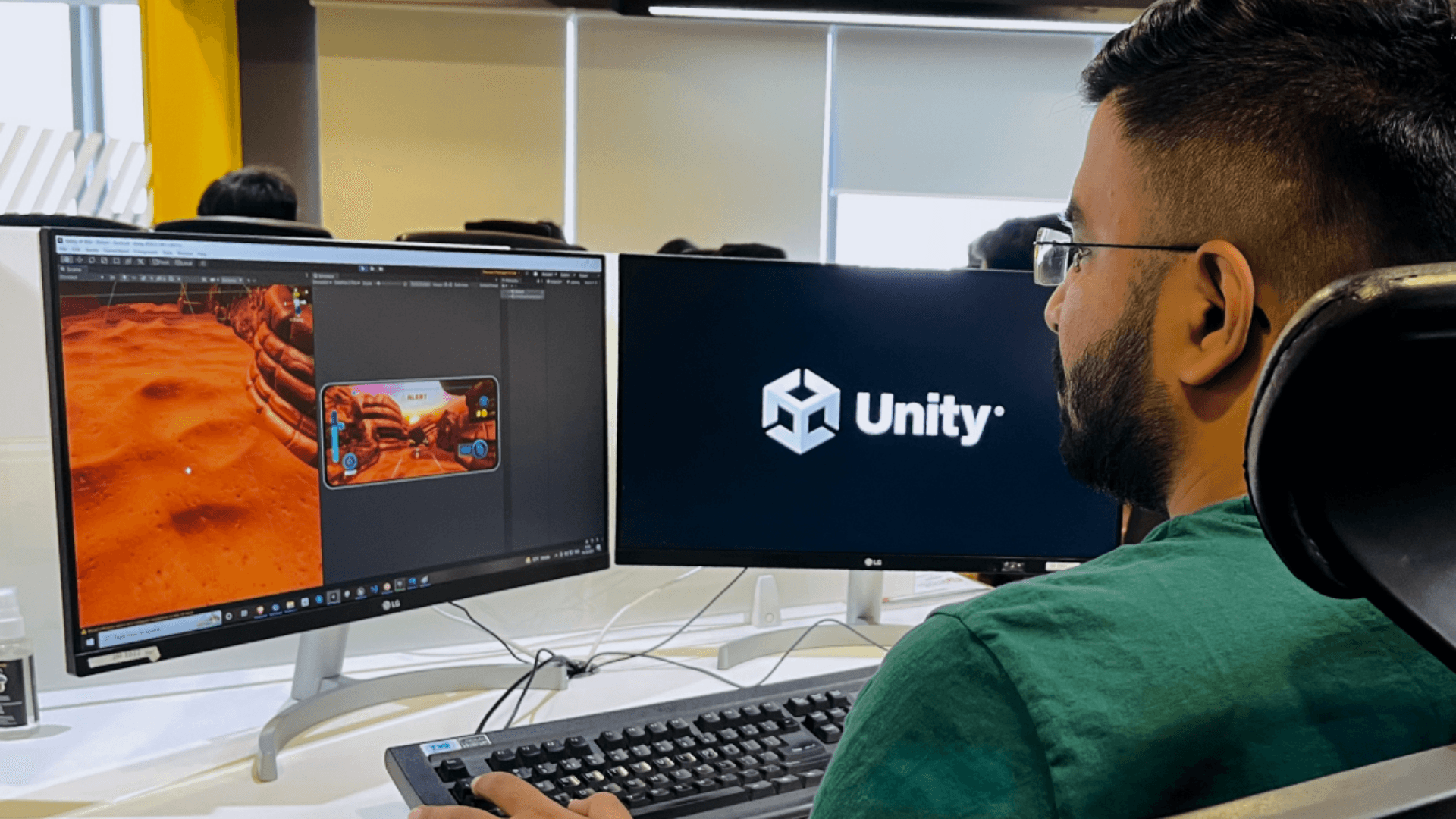
- Programmers build the systems: movement, combat, menus, saving, tools and performance.
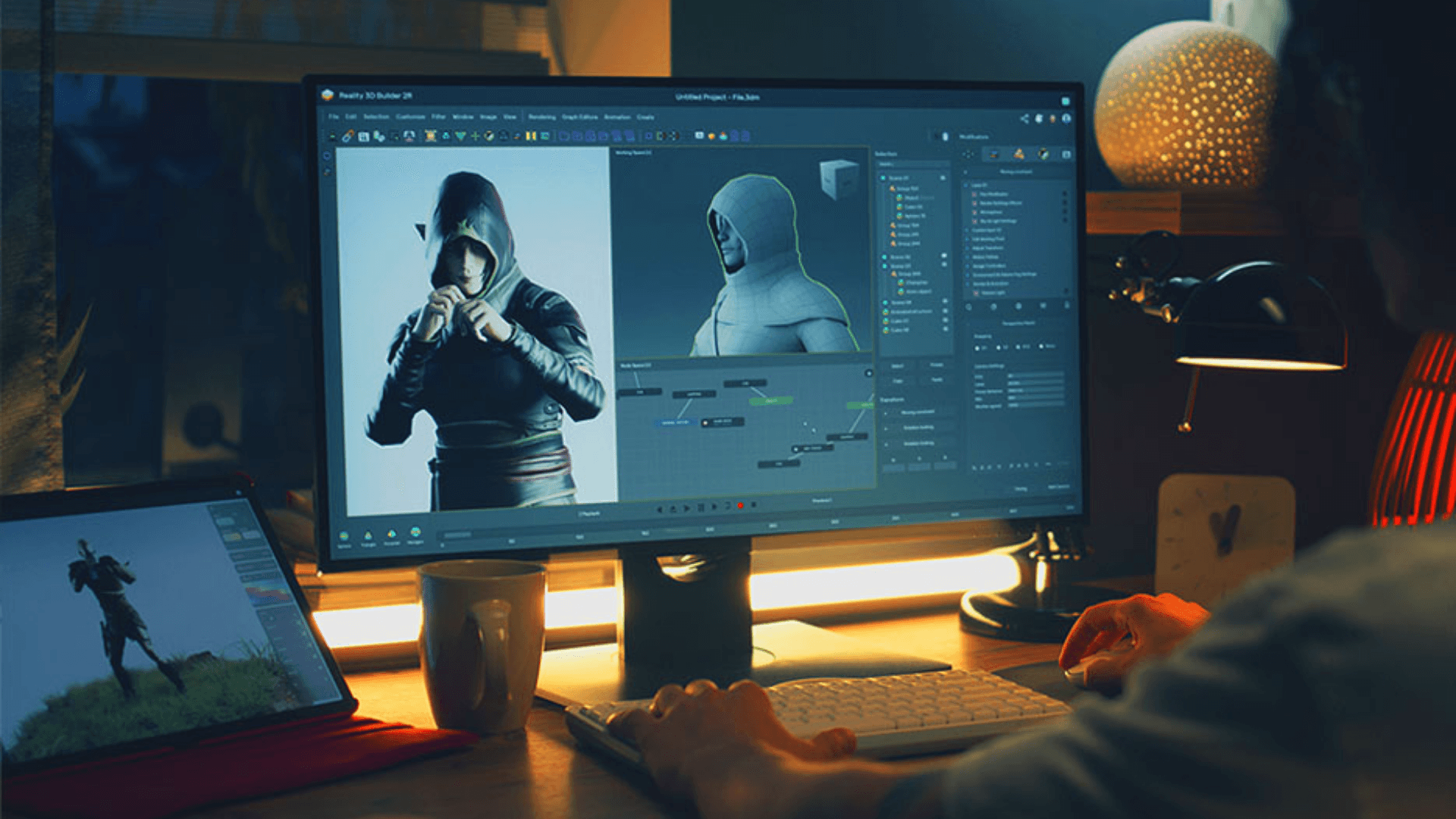
- Artists create the visual assets, from characters and environments to interfaces.
- Designers define mechanics, levels and the experience of playing.
- Animators bring characters and objects to life.
- Sound designers and composers create the audio environment.
- Writers shape story, dialogue and world detail.
- Producers keep the schedule, scope and communication on track.
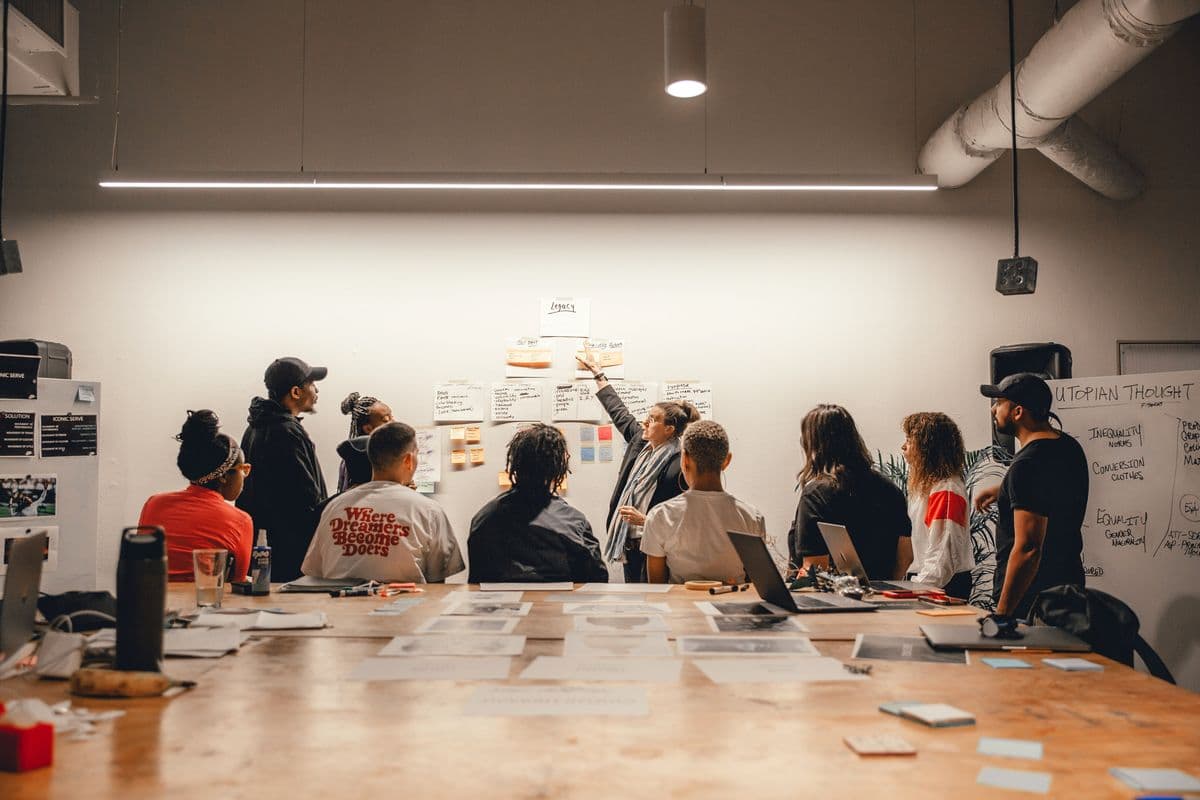
Communication is the connective tissue
A programmer needs to understand exactly what the designer is asking for. A designer needs to understand technical constraints. Artists need to work within performance and visual requirements. Every hand-off between disciplines is a chance for misunderstanding.
Skills that make you good to work with
- Explaining your work in plain language, without assuming others share your specialty.
- Documenting decisions so people who join later understand them.
- Giving feedback that is specific and kind, and receiving it without defensiveness.
- Delivering what you promised, or saying early that you cannot.
How work flows between people
Assets and features move through the team constantly. An artist exports a model, a programmer implements it, a designer places it in a level, and someone tests it. Version control, shared naming conventions and regular playable builds keep this from collapsing into chaos.
Why this matters when you are learning
Students who want to enter game development should learn more than their individual discipline. They should understand how their work fits into the larger production pipeline. Try joining a game jam, a class project or an online team, even a small one, to feel what collaboration is like before you need it professionally.
It also helps to know the lifecycle your work is part of. How a game actually gets made is a good place to see the whole picture.
Team projects like this, not just solo tutorials, are a core part of Techno Gurukul's Game Development program in Nashik.